Tag Archives: David Madrid

The Deer Hunting Seeds

This newspaper article is a nice little story about boy scouts, seeds and deer hunters. I encourage you to read it.

Now, in the immortal words of the legendary radio host Paul Harvey, here is the rest of the story.

It is about the heroes of Troop 75.

It was a cold November night in 1969 northwest of Carlsbad, N.M., the night before deer-hunting season began. This is my memory of that night. The story begins at a roadblock where the Madrids and Mashaws were on seed-delivery duty, handing hunters small paper bags with seeds to spread near their camps.

An official, I think he was a forest ranger, got a call on his radio that a person had fallen in the Guadalupe Mountains and needed immediate medical care to survive.

We were told that someone, who I believe was a deputy, was driving the injured person to the hospital, and he was headed our way at 100 miles per hour. The deputy, we were assured, was an excellent driver.

We were told to keep the hunters in line. I watched the road for the headlights of the speeding vehicle. I don’t remember who did what, but I do remember that my brother Joe Madrid and Eddie Mashaw, the senior scouts, took the lead.

They moved down the line of cars telling drivers what was happening, telling them not to move. But newly arriving hunters didn’t want to wait, they tried to pass the stopped vehicles. As you can imagine, it was a precarious situation, with maybe 15 cars in line.

No headlights yet.

Perilous times call for drastic efforts, and the scouts got in front of the cars and screamed at the impatient drivers. The boys berated them back into line hurling the F word with great effect.

The scouts cleared the lane.

I think the hunters were shocked to see wide-eyed frantic boy scouts yelling at them to “get (the F word) back in line right now!” I believe the profanity so surprised the hunters that they immediately obeyed.

Just then, the headlights appeared in the distance, then WHOOSH, the vehicle sped by at 100 or more miles per hour. It is hard for me to describe what that was like. It was a big hunk of heavy metal flying by in the blink of the eye leaving swirling dust and dumbstruck hunters in its wake.

Catastrophe averted.

I do not know if the injured person survived. I do know the boy scouts never got credit for their heroics. I laugh imagining those hunters’ conversations about the foul-mouthed boy scouts who saved their lives.

Troop 75 was not your average boy scout troop. The troop was renowned in Boy Scout circles for its lemon meringue pie. Every Boy Scout Jamboree, Troop 75 won 1st place with that pie. I think the prize was for baking.

I’ll tell you this, if there existed a Boy Scout Jamboree award for proper use of the F word, Troop 75 would have dominated that competition too. They deserved at least a merit badge.

And now you know the rest of the story.

The Mustard Weed

A 13th-century Jewish sage, Nachmanides, taught that at the moment of creation, all the matter of the universe was concentrated in a point the size of a grain of a mustard seed before it expanded to form our cosmos.

That’s basically the Big Bang Theory proposed in 1927 by  Belgian cosmologist and Catholic priest Georges Lemaître.

There is a difference between a mustard seed and the grain of a mustard seed. A mustard seed is as small as a needle head, while the grain of a mustard seed describes the smallest unit of physical matter.

This tiny seed’s name rings out from the sages through the ages.

Around the 4th century BC, Buddha elevated the lowly seed with his parable “Kisa Gotami and the Mustard Seed” which teaches the universal nature of death.

Years later around AD 28, Jesus Christ compared the Kingdom of Heaven to a grain of a mustard seed, that when grown, the birds come and dwell in its branches.

Jesus also said if we have faith the size of a mustard seed, we can move a mountain; nothing will be impossible for us.

Today, you can buy a mustard seed necklace to proclaim your faith. I haven’t seen any mountains move, but I await with anticipation.

The seed is also found in Islamic and Hindu texts.

Mustard was one of the earliest domesticated crops; it was used as a condiment and for its medicinal qualities.

The downside is the plant is highly invasive and almost impossible to eradicate, and it can damage your plants and crops.

Why am I giving you a history lesson about the mustard seed?

I pray I’m not blaspheming given the seed’s legendary religious status, but the mustard weed is my enemy. I have been at war with this weed most my life.

The Mustard Weed

My father, Joe Madrid, launched me into an early career as a grass cutter in Carlsbad, NM. I cut grass from when I was around 10 years old to 16. My dad taught me this nuisance plant must be destroyed.

I make no distinction between the mustard seed of history, and the mustard weed of today because they are closely related.

My father said don’t cut the weed with the lawnmower, because one plant can spew thousands of seeds into the air, which fly away and drop to the ground and lay hidden and dormant, sometimes for decades, until the sun calls them forth.

You must pluck the pesky pest by the roots and immediately put it in a garbage bag or can, because the seed has but one job: germinate.

When I cut grass in my younger years, I had regular customers, elderly folks who needed their yards and flowerbeds tended. Today I would be called a landscaper.

Over the years, I’ve left a trail of bagged up murdered weeds from New Mexico to Arizona. Hundreds. Thousands. I don’t know. This abomination appears in my yards, gardens and flowerpots. How does the mustard seed find my planter out back? Does the seed follow me? Are we enveloped in mustard seeds?

More than likely, dormant seeds are waking up.

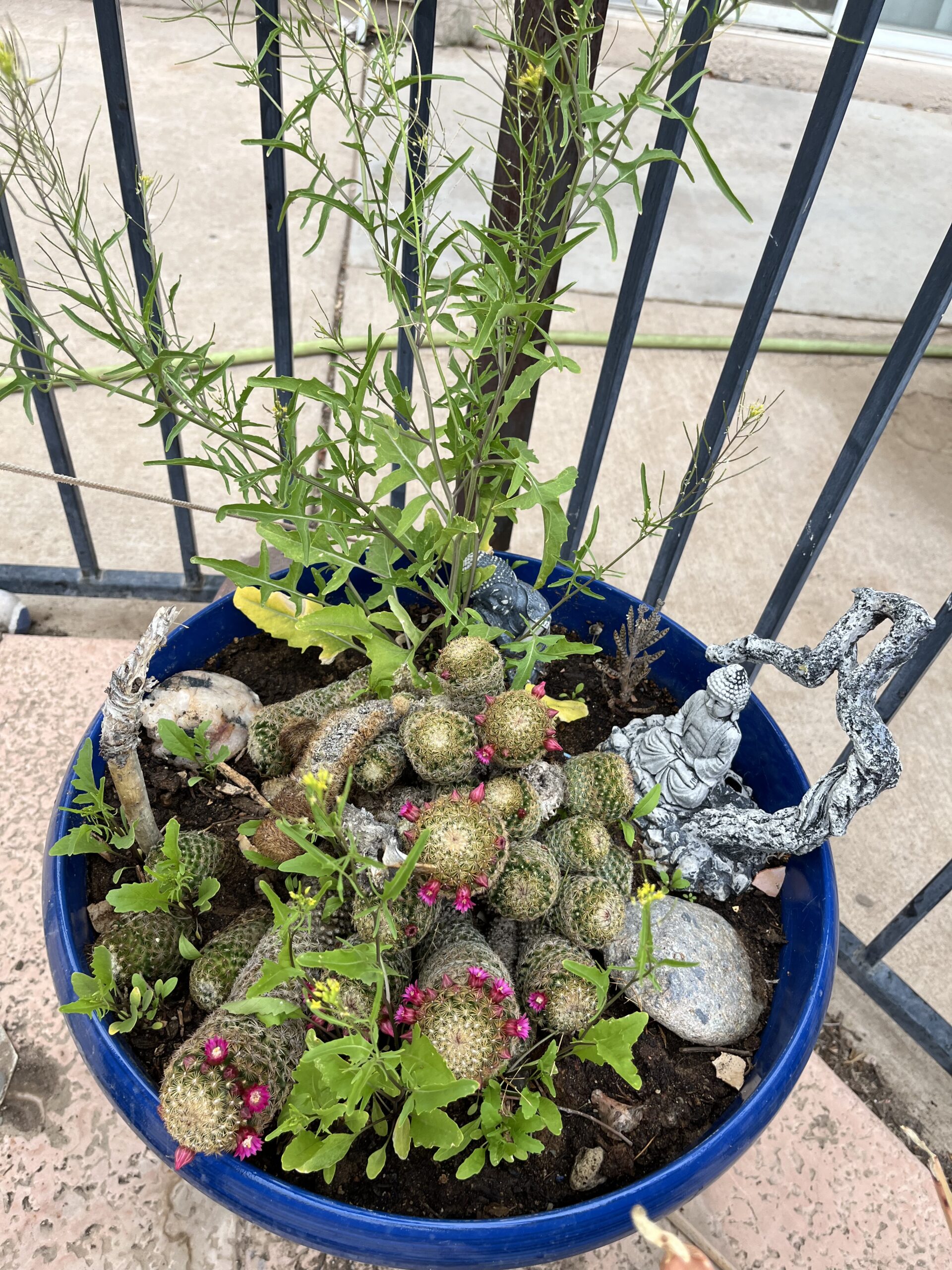
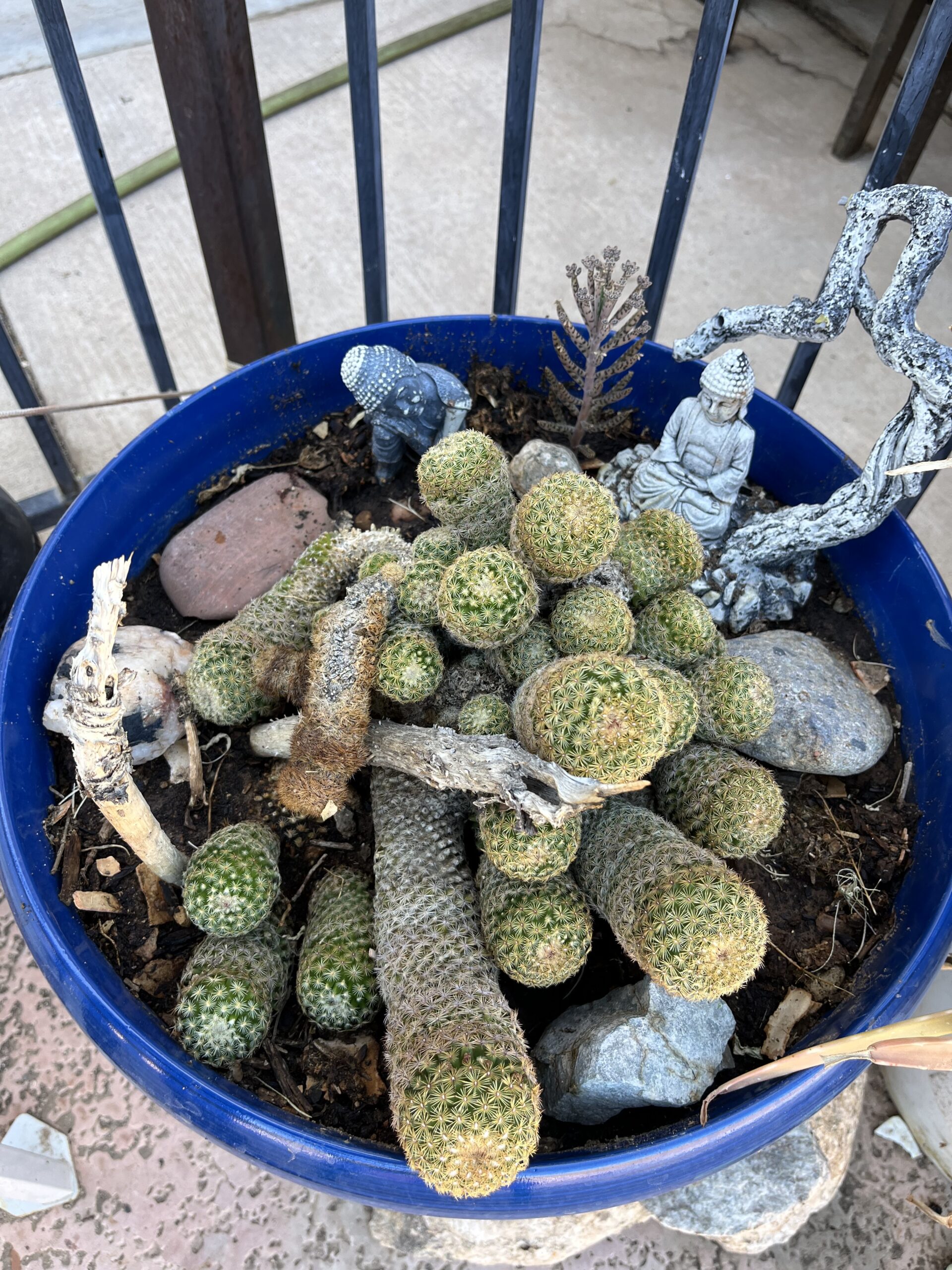
Recently, I considered the weed’s chaos in the cactus pot. I admitted to myself it is an impressive plant. Tenacious. Indestructible even. A worthy opponent, and pretty too, in that naughty-international‑nuisance kind of way.

I shifted my perception and looked at my weed-infested-cactus planter in a new way. Why not accept the inevitable?

The weed won. I surrender.

My planter would be wild. Jungle-like. Something that would make Tarzan proud. Weed and cactus growing together untamed.

It was a breakthrough: I looked at the mustard weeds and they didn’t bother me. The cactus still dominated with its spiny beauty. My two silent Buddhas reveled in the sprouting mustard seeds.

I relaxed. A great weight as of a billion mustard seeds lifted off me. I was free.

Massive sigh. Kumbaya.

Then I thought about my dad.

My father’s teachings are implanted deep. I looked upon the weed with a renewed eye, an angry eye. “Invader! My immortal enemy! $#&%#@!,” I shouted.

So, I pull the weed again and again despite the seed’s popularity among the holy men of history. The vendetta against this enemy, handed down from my father, continues, I guess into eternity.

I looked at my planter, and one stubborn mustard weed towered above it all, as if photobombing a family portrait. I dealt with it most expeditiously.

Which brings me back to the beginning.

Can I love the mustard seed and hate the weed?

This is my dilemma.

Happy New Year 2025

Happy New Year 2025

The Moon peeking in my window Jan. 12 , 3:05 a.m.

Happy Thanksgiving 2024

Welcome to another day of giving thanks.

While the dark may seem opaque and dangerous, we must look to the day when the sun blesses the Earth, the night when the moon reflects the sun’s light.

We are people of light; dark cannot defeat us, and we have so much to be thankful for.

Life, love, family, friends, fun, adventure, work, play, creativity, the weather even.

Insert your reason, but know that sometimes the bad is necessary for growth, and therefore, eligible for our thanks.

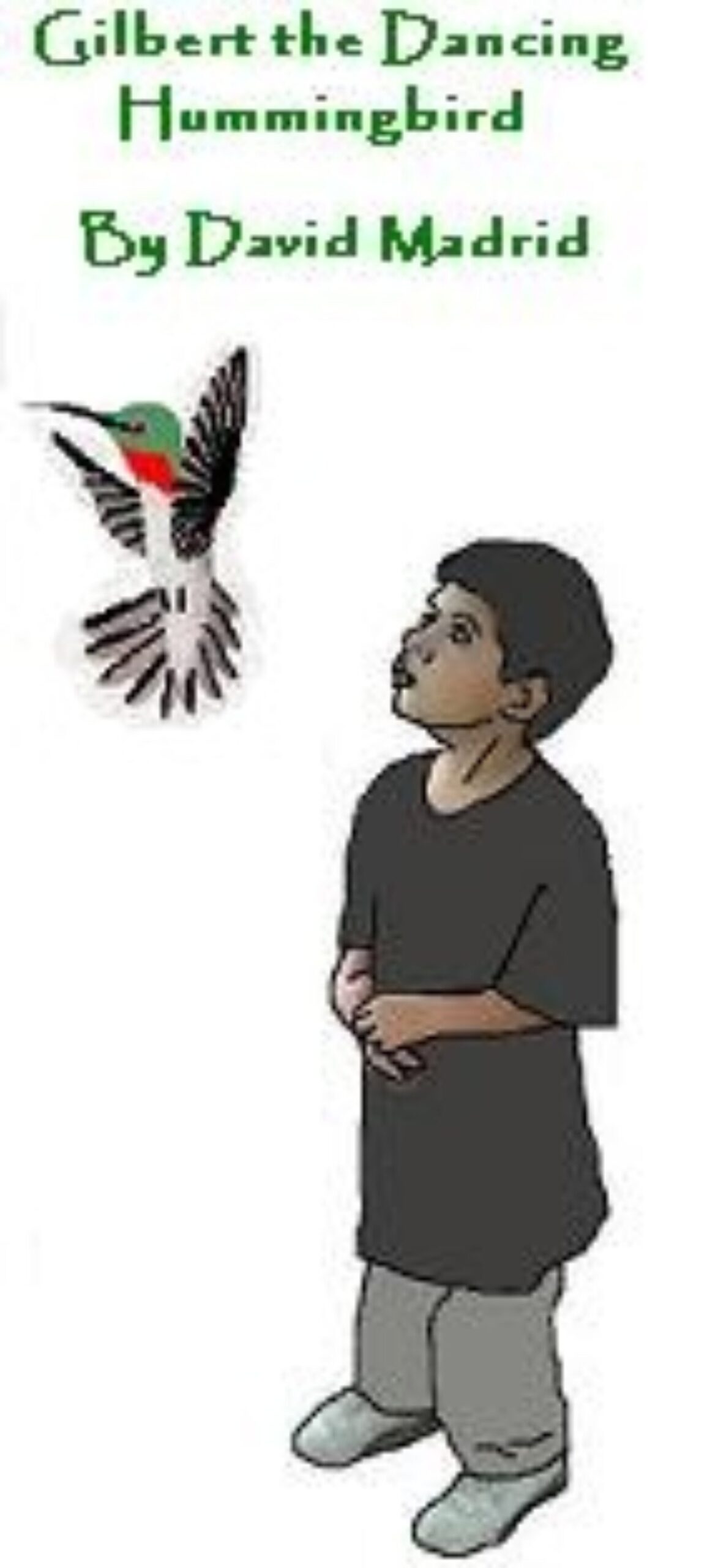
My only Thanksgiving story is “Gilbert the Dancing Hummingbird.”

Writing a Thanksgiving story isn’t as easy as you might think.

So I offer the story as a Happy-Thanksgiving-to-you tale.

Gilbert the Dancing Hummingbird.

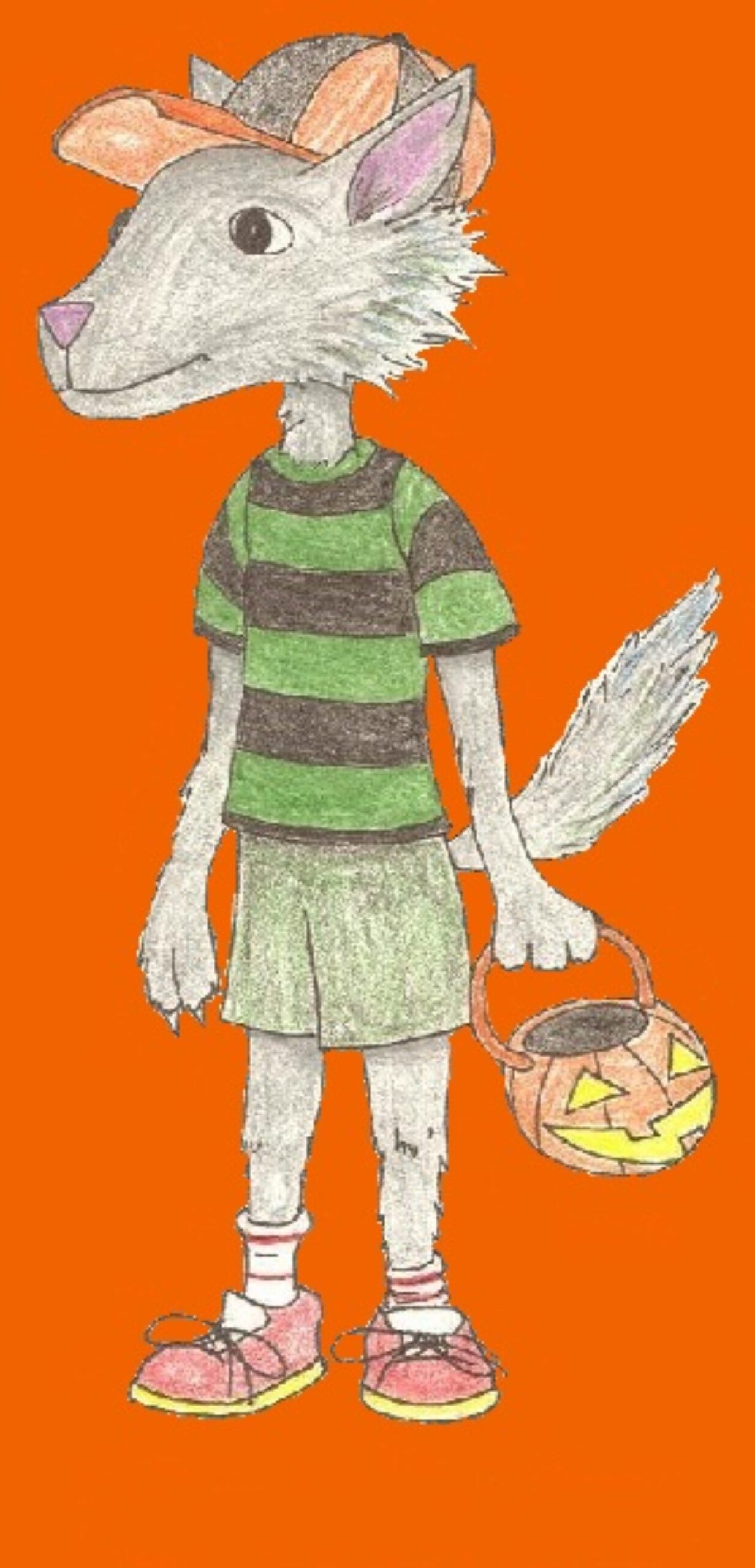
Halloween 2024

Flatulence

Consider flatulence, which is a fancy word for farting.

I know. I know. Talking about farts is impolite and should not be done in public. Butt, I have to ask; who here was taught flatulence manners?

That’s what I thought. It is a stinky subject, and shame on Emily Post for ignoring farting. She literally wrote the books on etiquette?

A fart is something we laugh at, and the embarrassed emitter of said fart is ridiculed either verbally or mentally. That’s not right. One should be free to fart anywhere without shame, unless it is in my general vicinity.

Facts

Before we get into manners, I have some flatulence facts for you:

  • Flatology is the scientific and medical study of farts. I wonder if that is a booming industry. Flatus is the medical word for gas generated in the stomach or bowels.
  • According to flatology experts, farting is the expulsion of that gas from the intestines via the anus. Sorry to be so crude, but I didn’t write that; someone on Wikipedia did.
  • Humans fart an average of 14 times a day. Even the most beautiful women in the world fart. Sorry to break that to you boys, but your toots are disgusting, so don’t judge your fellow flatulators.
  • Fart is shorter and funnier than flatulence, hence the popularity of the word. Some call it passing wind in an attempt to sanitize the fart.

Yes, I made up the word flatulator. It is more euphonious than flatulist or fartist, don’t you think?

Manners

Because Emily Post didn’t complete her job, I’ll offer help. My first rule for manners of flatulating near people is to ask politely “May I flatulate?”

Really?

NO. OF COURSE NOT. ARE YOU INSANE?

Just walk away before you fart so nobody hears or smells you. That is manners.

Unless you are on an elevator. Ever wonder why there are so many elevator fart stories and jokes? Elevators must be common settings for errant or intentional farts.

Don’t tell anyone, but I heard there is a group of people who intentionally fart on elevators. They are called the Stink Bomb Mafia, and they are committed to their art, which is what they call it.

Suppose you are in an elevator, and you emit a silent-but-deadly. What should you do?

Fart etiquette, if there were such a thing, would require you to apologize for the fluffy, while complaining you had to flatulate and could hold it no longer.

Right?

NO. NO. NO.

Never admit to a fart you can conceal.

Blame Game

Because there is no fart etiquette, some fart knockers have turned flatulence into a blame game.

For example, wait to see if someone comments on your invisible stench so you can say “Whoever smelt it, dealt it.”

Then you hold your nose and look with disdain at the unwitting fly that fell into your trap. This maneuver is called the Spider and the Fly. Have you ever heard a spider bark. Sounds like poot.

Suppose your fart is audible. What then?

Jump back. Hold your nose. Point to the person nearest you, and say “Ewwwwww!!!!!” This is called The Misdirection.

If you are caught, and there is no way out, simply lift a foot slightly off the ground, push out your butt a bit and grunt and wince as if you are trying to conjure up a one-cheek squeak, but the tweeter never comes.

Sigh in relief, and put your leg down. People are grateful you didn’t bathe them in more flatus molecules, yet they are embarrassed for you. See what you did there? You unsettled them. This is the classic Wait, Wait, Never Mind move.

Finally Caught

If you can’t escape blame, fall to your knees and raise your arms and praise God for the ability to fart. Tell people that without these booty bombs, we would explode into a million pieces. This technique is called The Mortality.

Not to mention people get nervous when you bring God into it. Tell them The Good Book teaches that the wind blows where it wishes.

Sorry I veered off of fart etiquette and into fart tactics. I offered three rules: ask if you may flatulate; admit and apologize for your flatulence, or walk away and then fart. But it didn’t seem you were interested.

Or you can let one rip. Own the honker. Be loud; be proud. Don’t apologize. Imagine yourself the greatest of all flatulators.

Sorry, I cannot approve of your behavior, you fecal-fumed terrorist. This is undeniably a breech of etiquette in my book if I had one.

“That’s all for now my fellow flatulators; as the Stink Bomb Mafia says: “May your farts be stealthy.”

David Madrid.

Thank you Adobe Stock for providing the photos. Yes, I have an account.

With apologies to Emily Post, (born Oct. 27, 1872 or Oct. 3, 1873, in BaltimoreMaryland—died Sept. 25, 1960, in New York) who was an American authority on social behavior. She crafted her advice by applying good sense and thoughtfulness to basic human interactions except when it came to flatulence.

Encyclopaedia Britannica

A Thousand-Mile Journey

A stone sculpture of Lao Tzu, located north of Quanzhou at the foot of Mount Qingyuan in East China. Thanks to Creative Commons for use of this photo. The statue is about 1,000 years old.

“A journey of a thousand miles begins with a single step.”

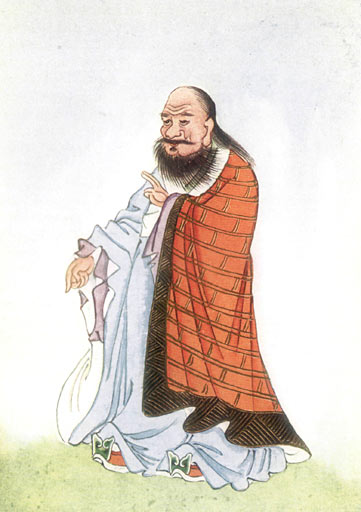
Lauzi

aka

Lau Tzu

This simple teaching tells us any endeavor, adventure, plan or fulfillment of a dream, begins with a first step.

The saying is from Chapter 4 of the Tao Te Ching, a Chinese philosophical and religious text said to be written by 6th Century BC philosopher Lauzi, whom we identify today as the Lau Tzu.

A contemporary of Confucius, arguably the most famous of Eastern philosophers and widely regarded as the greatest wise man, it is said Lau Tzu and Confucius met several times. Lau Tzu was the elder.

We dream of doing great things but don’t commit to action because of risk, embarrassment or potential failure, so we continue to live our lives in a state of what could have beenism.

Take that first step, and suddenly, potentially, the dream becomes reality, the plan is realized, the problem solved.

Or not.

Sometimes we fail, and then we must learn to take the next first step on a new path.

David Madrid

Depiction of Lauzi, known popularly as Lau Tzu, in E. T. C. Werner’s “Myths and Legends of China.” LauTzu is said to be a 6th century BC philosopher. It is said he authored the Tao Te Ching, the foundation of Taoism.

David Madrid.

© 2024 FabulousFables.com

Contact: David Madrid

Superior People

‘Each man is my superior in that I may learn from him.’

I am paraphrasing Ralph Waldo Emerson, great American philosopher and poet, who actually said, “In my walks, every man I meet is my superior in some way, and in that I learn from him.”

I shortened the quote long ago just for myself to better remember it and its lesson.

If you are open to consider each person can teach you something, you are open to accept their humanity.

This way of thinking will check your ego, especially if you consider yourself all that.

This belief, put in practice, will make you feel better about people, and eventually, yourself.

Emerson was born in Boston on May 25, 1803 and died April 27, 1882.

© 2024 FabulousFables.com

Contact: David Madrid

My Shirt

There hangs in my closet a shirt so old, a thriving Aztec civilization was playing ball on its courts when the shirt was made.

That’s an old shirt.

It is said the shirt was made at the peak of the Mexica — which is what the Aztecs called themselves — civilization in 1520.

That is 503 years ago.

  • 183,595 days ago.
  • 4,406,280 hours ago.
  • 264,376,800 minutes ago.
  • 1.58 billion seconds ago.

More or less.

How time flies when you’re counting nanoseconds. I won’t go there.

Mathematics

I broke down the numbers so you understand how the Aztecs saw the world.

To the Mexica the universe is made of numbers, and math moves the numerals into equations that transform into matter and then action.

Everything — birth, life, death, the seasons with planting and harvests based on astronomy, architecture, human sacrifice and even love — in the end it is all encompassed in mathematics.

The Shirt

How is it possible that I own such a shirt?

The shirt is magic; it finds its host.

It found me in the Arizona desert where an old man lived in a small adobe home near the Sierra Estrella southwest of Phoenix.

The man, who looked as old as he claimed the shirt was, said the shirt brought me to him, and this article of clothing belonged to me now.

You probably think I’m a little loose in the head, and I understand.

Origins

This shirt, I won’t call it mine, because I feel I am his’ or hers’ or its’, whatever the heck it is?

This piece of clothing was made from reed fibers that grew on the shores of Lake Texcoco near the seat of power when the Aztecs were ascendent.

Strong fibers, reduced to smaller fibers of a specific number and braided, produced the strongest cloth ever made; then the shirt was infused with a brujo’s sorcery.

Brujos

Brujos are male witches –call them warlocks, witchdoctors, whatever — who know the secrets of plants. They are properly called yerbedos, herbal healers.

They also know the secrets of the desert and its snakes and their venoms; so watch out.

Brujas are their female counterparts, and in Mexico, South America and the Southwestern United States, these witches still exist and are justifiably feared.

Fibers

I don’t know how many fibers are needed to make this cloth; that is a lost science from another time, but some say it was in the billions, as absurd as that sounds.

The shirt is indestructible, and that’s some wicked magic, my friends.

The shirt doesn’t age, and it boasts a replica of the Sun Stone, a priceless Aztec calendar the Spanish buried because they considered it pagan.

It was rediscovered in Mexico City, Dec. 17, 1790.

My shirt is as old as the calendar, and its image, round and complex, is sewed into the cloth.

The original calendar was full of color, adding another dimension to the beauty and magic of the stone, but as the color faded on the stone, so it faded on the shirt.

Calendar

My calendar tingles as I feel the rotation of the Earth and its relation to the cosmos and time, upon my chest.

I don’t understand the arithmetic, but this is it in a nutshell:

1The calendar consists of a 365-day calendar cycle called xiuhpōhualli (year count), and a 260-day ritual cycle called tōnalpōhualli (day count).

It’s two calendars in one.

I see the numbers the Mexica saw only when I wear the shirt, which I do sparingly, because it takes a physical toll when you are overwhelmed by an ocean of numerals.

I do not know what the numbers mean, but I feel them in my soul, and sometimes, with much effort, I can see the numbers as a whole.

I am fascinated to see our universe from the Aztec perspective, numbers never looked so beautiful.

This is my shirt below; you are looking at an eternally enchanted artifact.

The Aztec “Calendar Stone”. Museo Nacional de Antropología, Mexico City. With permission of Wikimedia Commons

The Sun Stone presides over the Mexica Hall of the National Museum of Anthropology. The stone is 12 feet in diameter, 39 inches thick and 54,210 pounds.

© 2024 FabulousFables.com

Email: David Madrid

  1. https://en.wikipedia.org/wiki/Aztec_calendar ↩︎

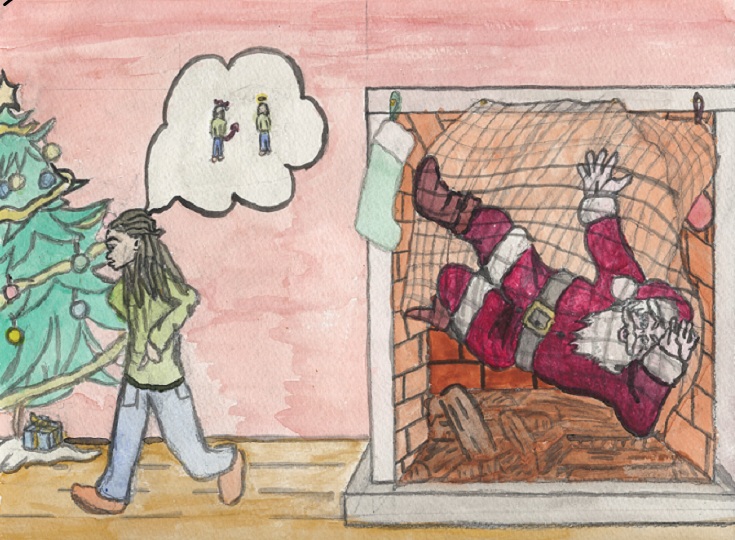
Rastas Boodrow, cool kid

There are Christmas stories, and then there are Christmas stories.

How do you tell them apart?

A true Christmas story hugs your heart, and you recognize its truth.

The story sinks into your soul.

The truth reveals itself.

I give you a Christmas story that will touch your soul.

Read: Rastas Boodrow: A Christmas Story

Not your typical Christmas story.

© 2023 FabulousFables.com

Contact: David Madrid

Read “Rastas Boodrow: Mathematical Mastermind“, a blog in which you learn more about a little boy genius.